

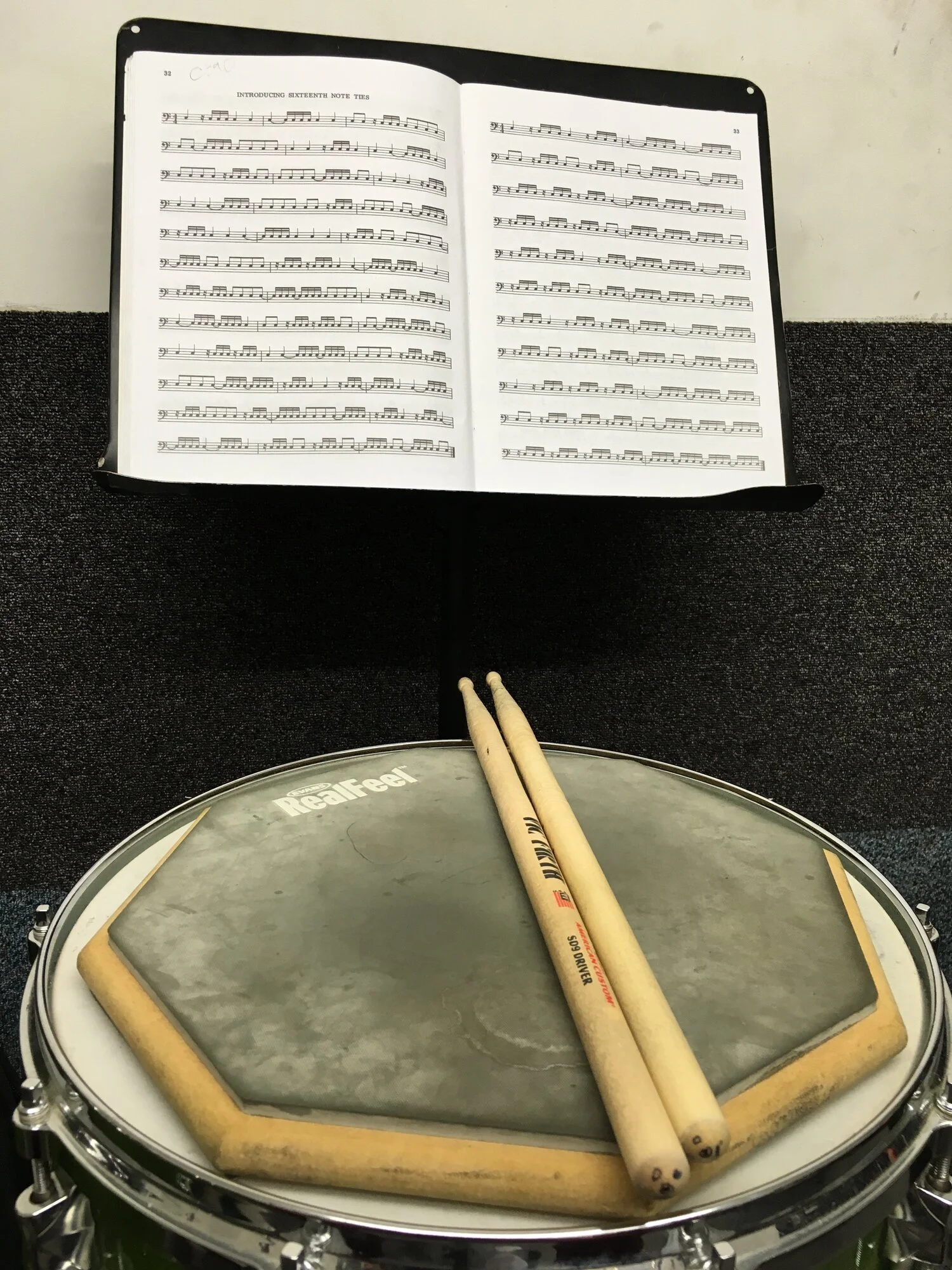
How to Practice Drums at Home (Even Without a Drum Kit)
No drum kit? No problem. You can build rhythm and coordination using a practice pad—or even a cushion. I’ll guide you on how to structure your practice at home, so you keep improving between lessons.

5 Signs Your Child Might Love Drum Lessons
Is your child a natural drummer? Tapping, dancing to music, and a strong sense of rhythm are all signs. If they’re showing interest, they might thrive in lessons! I teach young beginners in a relaxed, supportive environment.

Acoustic vs. Electronic Drums: What Should Beginners Start With?
Acoustic or electronic drums? It’s a common question—and the right choice depends on your space, budget, and goals. Electronic kits are quieter and compact, while acoustic kits deliver an authentic feel. In lessons, we’ll be playing on an acoustic kit.

Drum Lessons in Waltham Abbey: Why Location Matters
Drum lessons are easier with the right setup. My Waltham Abbey studio is easily accessible from Essex and North London, with free parking and pro-level gear. No distractions—just focused, high-quality learning in a dedicated space.

Top 5 Reasons Adults Should Learn Drums
Drumming isn’t just for kids or rock stars. It’s a fun, stress-relieving hobby that boosts focus and coordination—perfect for adults of any age. No experience? No problem. Lessons are tailored to your pace, and many students are adults exploring something new or reigniting a past passion.

Beginner’s Guide to Drum Lessons: What to Expect in Your First Lesson
Curious about learning drums? In your first lesson, you'll dive right in—exploring your goals, musical taste, and getting hands-on with the kit. Whether you're a total beginner or returning after a break, it’s all about getting comfortable, playing your first beat, and having fun.